

By Global Fabrication LLC
Introduction: The Power of Façade Materials
A building’s façade is its first impression—a statement of identity, performance, and longevity. Whether it’s a corporate headquarters, a hospital, a luxury hotel, or a transit hub, the exterior cladding sets the tone for how people experience the structure. Beyond aesthetics, façades must endure the elements, comply with safety codes, and meet energy efficiency goals.
For decades, traditional materials like stone, glass, and concrete have dominated façade design. Each has strengths, but each also comes with cost, weight, and performance limitations. Enter Aluminum Composite Material (ACM), a modern solution offering durability, versatility, and design freedom.
At Global Fabrication LLC, we specialize in ACM, sheet metal, and brake metal systems, working with architects and developers to build façades that balance performance, cost-efficiency, and striking aesthetics. This in-depth comparison explores ACM versus stone, glass, and concrete to help decision-makers choose the right solution for their next project.
Section 1: Understanding the Materials
What is ACM?
ACM (Aluminum Composite Material) is a sandwich panel consisting of two thin aluminum sheets bonded to a non-aluminum core. This structure creates a material that is:
- Lightweight yet strong.
- Resistant to weather, corrosion, and UV damage.
- Flexible enough for curves, folds, and complex geometries.
- Available in a vast array of colors and finishes.
What About Stone, Glass, and Concrete?
- Stone: Known for natural beauty and longevity, but heavy, expensive, and less flexible in design.
- Glass: Offers transparency and modern aesthetics but can increase energy costs and requires frequent maintenance.
- Concrete: Durable and fire-resistant, but bulky, less visually flexible, and prone to cracking over time.
Section 2: Weight and Structural Demands
Stone
Natural stone is extremely heavy. Installing it requires reinforced structural systems, adding both time and cost to construction.
Glass
While lighter than stone, large spans of glass also demand reinforced framing systems to handle wind loads and safety concerns.
Concrete
Precast panels or poured-in-place concrete façades are massive, increasing building load and foundation requirements.
ACM
ACM panels weigh significantly less than stone, glass, or concrete. This translates to:
- Reduced structural load.
- Faster installation.
- Lower shipping and handling costs.
👉 Case in point: Global Fabrication has delivered ACM façades on projects where weight restrictions made traditional materials impractical.
Section 3: Aesthetics and Design Flexibility
Stone
Stone conveys timeless elegance and prestige, but its natural colors and textures are limited. Shaping stone into modern curves or bold geometries is costly and labor-intensive.
Glass
Glass creates a sleek, futuristic aesthetic. However, too much glass can make buildings appear sterile or overly reflective, especially in urban environments.
Concrete
Concrete allows for textured finishes and can be colored, but design versatility is limited compared to lighter materials.
ACM
ACM excels in aesthetic versatility:
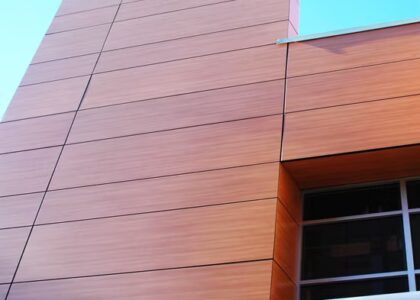
- Countless finishes (metallics, woodgrain, custom prints).
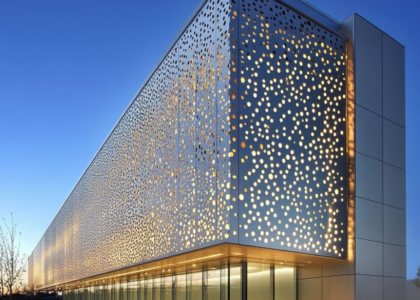
- Can be curved, folded, or perforated.
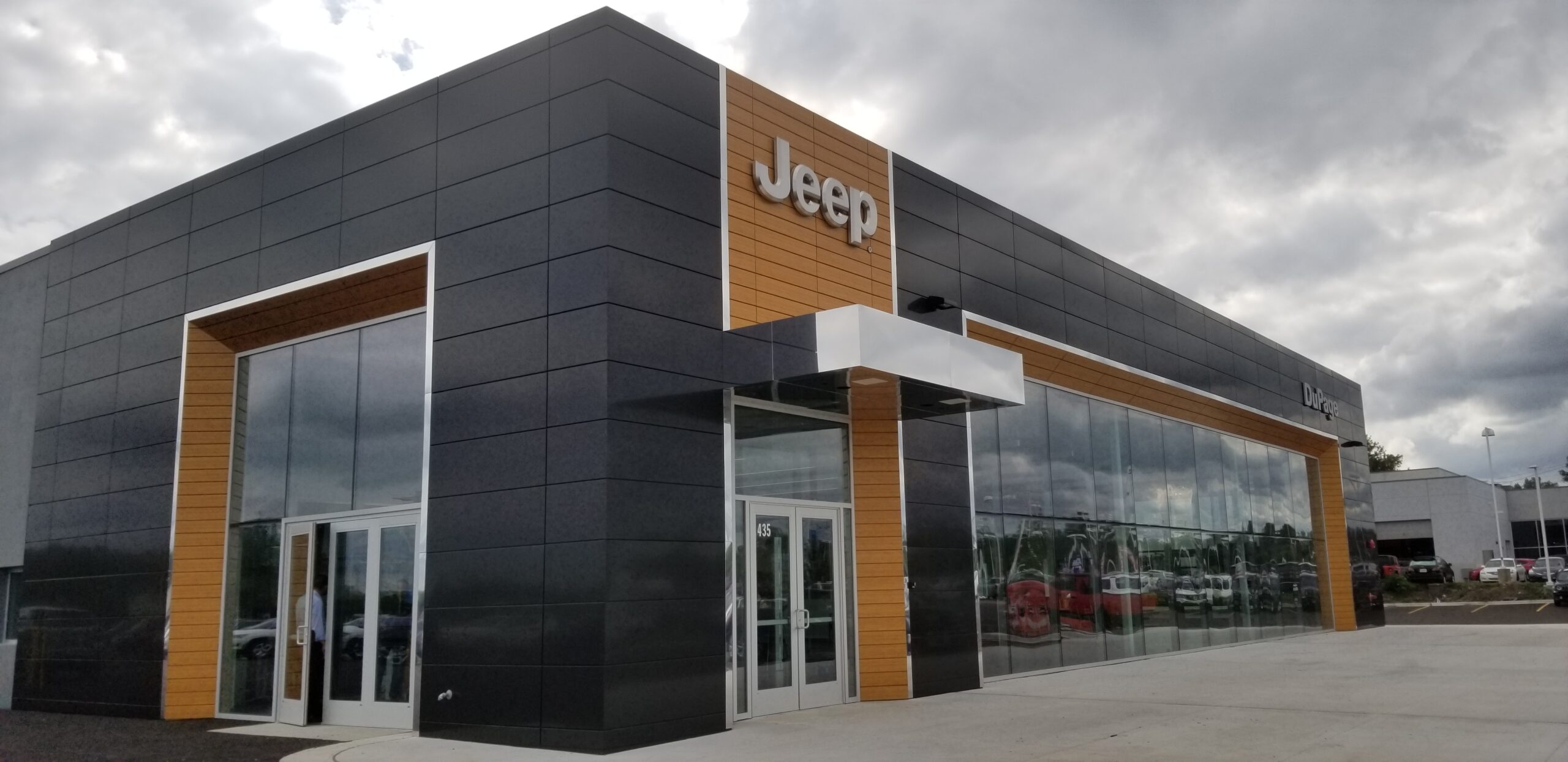
- Supports bold branding and signage integration.
- Works for both minimalist designs and dramatic façades.
👉 With ACM, architects don’t compromise—form truly follows imagination.
Section 4: Durability and Maintenance
Stone
Stone is naturally durable but prone to staining, weathering, and spalling in freeze-thaw cycles. Maintenance often requires specialized cleaning.
Glass
Glass surfaces require constant cleaning to avoid dirt, streaks, and watermarks. Coatings can reduce maintenance but add to cost.
Concrete
Concrete is durable but prone to cracking, especially in shifting soils or freeze-thaw climates. Repairs can be visible and costly.
ACM
ACM panels are engineered for durability:
- Resistant to corrosion, staining, and UV degradation.
- Require minimal cleaning—often just soap and water.
- Protective coatings enhance longevity.
👉 At Global Fabrication, our ACM systems are designed for low-maintenance lifecycles, keeping projects looking brand-new for decades.
Section 5: Energy Efficiency and Sustainability
Stone
Stone has natural thermal mass but provides little insulation value on its own. Installing insulation layers increases cost.
Glass
Large glass façades can lead to high energy costs for heating and cooling. Low-E coatings improve efficiency but come at a premium.
Concrete
Concrete provides decent thermal mass but can be less energy efficient if not paired with additional insulation systems.
ACM
ACM shines in energy performance when paired with ventilated rainscreen systems:
- Creates an air gap for improved thermal regulation.
- Reduces heat absorption and lowers HVAC costs.
- Panels are fully recyclable, supporting sustainable building goals.
👉 Many of Global Fabrication’s ACM installations help projects pursue LEED certification.
Section 6: Installation and Project Timelines
Stone
Labor-intensive cutting, transporting, and installing—often with long lead times.
Glass
Requires precision framing, specialized handling, and skilled labor, increasing installation timelines.
Concrete
Heavy panels require cranes and precise logistics, slowing down projects.
ACM
ACM is lightweight and modular, allowing for:
- Faster installation.
- Fewer labor hours.
- Reduced construction delays.
👉 Global Fabrication leverages advanced fabrication processes to deliver ACM systems on tight schedules without compromising quality.
Section 7: Cost Considerations
Stone
Among the most expensive façade materials, factoring in quarrying, transportation, and specialized labor.
Glass
Moderately expensive—costs increase with coatings, framing systems, and maintenance over time.
Concrete
Cost-effective upfront for large-scale projects but carries long-term maintenance expenses.
ACM
Generally more affordable than stone and glass and cost-competitive with concrete when considering lifecycle benefits.
👉 With ACM, clients often save money not just at installation, but also over the long term with reduced maintenance and energy costs.
Section 8: Safety and Code Compliance
Stone
Naturally non-combustible but heavy, raising seismic concerns in certain regions.
Glass
Breakage and fire-resistance standards must be carefully addressed. Laminated or tempered glass is often required.
Concrete
Fire-resistant and durable but subject to spalling in fire conditions.
ACM
Modern ACM panels comply with NFPA and international fire codes, especially when paired with fire-resistant cores.
👉 At Global Fabrication, safety is paramount—we design every system to meet or exceed code compliance.
Section 9: Industry Applications
Stone
- Prestigious government buildings.
- High-end institutional architecture.
Glass
- Corporate towers.
- Commercial and residential high-rises.
Concrete
- Industrial facilities.
- Large civic projects like stadiums.
ACM
- Corporate branding projects.
- Airports, hospitals, retail centers.
- Residential mixed-use developments.
👉 ACM offers the broadest adaptability, making it a favorite across industries.
Section 10: Real-World Example – Worldwide Kenworth
At Worldwide Kenworth in South Carolina, Global Fabrication delivered a façade upgrade using ACM and sheet metal systems. The result:
- A bold façade reflecting the brand’s identity.
- Durable performance in a high-traffic environment.
- Precision fabrication under tight deadlines.
This project illustrates how ACM can achieve what stone, glass, or concrete alone could not: a balance of aesthetics, performance, and speed.
Section 11: The Global Fabrication Advantage
Choosing the right material is only half the equation. The other half is partnering with a team that brings experience, precision, and vision.
At Global Fabrication LLC:
- We bring 35+ years of expertise in ACM, sheet metal, and brake metal fabrication.
- Our systems are engineered to meet client goals, whether aesthetic, structural, or environmental.
- We manage every step—from design and fabrication to installation—ensuring on-time, on-budget results.
Conclusion: Why ACM is the Smarter Choice
Stone, glass, and concrete each have their place in architectural history. But today’s projects demand a material that can adapt, perform, and inspire.
ACM offers unmatched:
- Lightweight versatility.
- Design freedom.
- Durability and low maintenance.
- Cost efficiency and sustainability.
That’s why architects and developers across industries are increasingly choosing ACM—and why Global Fabrication LLC continues to lead the way in bringing these solutions to life.
Contact the ACM Experts Today!
Is your next project ready for a façade that balances aesthetics, durability, and cost efficiency?
Let Global Fabrication LLC help you select and fabricate the perfect system.
📞 Contact our team today at garey@gofabllc.com or visit gofabllc.com to start shaping your vision.