
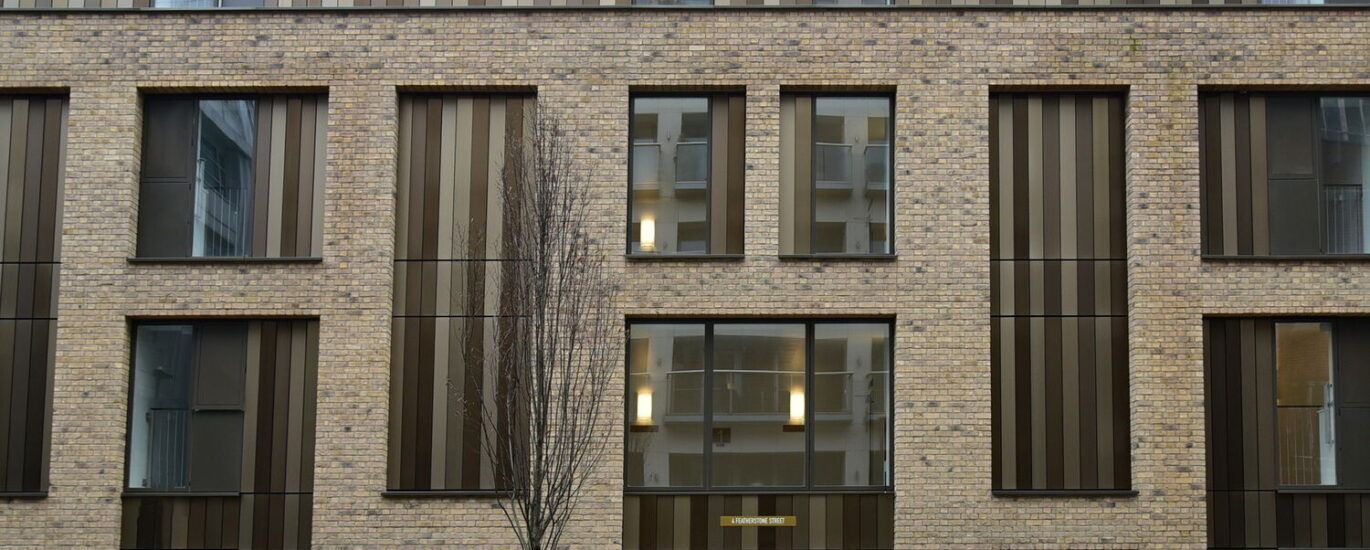
In the evolving world of architectural façades, the front of a building must do more than simply look appealing—it must perform. It needs to reflect brand identity, resist the elements, integrate sustainable design, and stand the test of time. At the heart of this transformation is a powerful combination: the tactile strength of masonry (brick, stone, CMU) paired with the sleek precision of modern metal systems such as aluminum composite material (ACM), sheet metal, and brake-metal detailing.
At Global Fabrication LLC, we specialize in bringing together these materials—fabricating metal systems that complement, contrast, and integrate with masonry to deliver façades that are bold, efficient, and durable. In this article, we’ll explore why combining masonry and metal façade systems is a strategic move, how to execute this strategy effectively, and what to watch out for in terms of detailing, performance, and lifecycle cost.
1. Why Combine Masonry and Metal?
Aesthetic Balance of Authenticity and Innovation
Masonry has a timeless appeal. Whether it’s the weathered texture of brick, the depth of cut stone, or the modular rhythm of concrete masonry units (CMU), it brings authenticity, permanence, and a tactile quality to a building’s base or primary elevation. Metal panels, by contrast, offer precision, modernity, clean lines, and bold visual impact.
When these two worlds come together, the result is striking. The grounded, human scale of masonry pairs beautifully with the refined sleekness of metal, creating façades that feel both familiar and futuristic. For example, a hotel wrapped in warm brick at street level and ACM panels above communicates both connection to place and forward-thinking design.
Performance Synergies
Beyond aesthetics, there are real performance benefits. Masonry offers durable resistance to impact, abrasion, and fire—perfect for the building base or high-traffic areas. Metal panel systems bring lightweight performance, off-site fabrication, rapid installation, and design flexibility. Combined, they yield façades that are robust, efficient, and responsive to site context.
Sustainability and Lifecycle Value
Mixed systems can also enhance sustainability. Masonry contributes thermal mass and long lifespan, while ventilated metal systems improve insulation, reduce maintenance, and enable faster installation. The result is a façade that performs better over time—with lower operational costs and minimal environmental impact.
2. Key Material Considerations and Compatibilities
When pairing masonry and metal façade systems, the right material selection and coordination are essential. A successful hybrid façade depends on more than just how it looks—it’s how it performs.
Selecting the Right Masonry
- Brick – Offers texture, color variety, and scale suited for pedestrian interaction.
- Natural Stone – Provides luxury, permanence, and character through unique veining and finishes.
- Concrete Masonry Units (CMU) – Deliver strength and economy for larger wall areas or backup walls.
Each masonry type brings its own structural and anchorage requirements—stone may need heavier framing, while brick veneers depend on ties and weep systems to manage moisture.
Selecting the Right Metal System
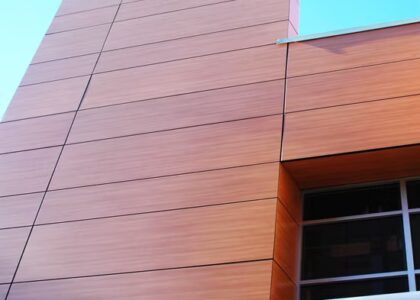
- ACM Panels – Lightweight, customizable, and perfect for dramatic, high-precision façades.
- Sheet Metal – Provides flexibility in design and detailing, ideal for fascias, canopies, and transitions.
- Brake Metal – Finishes and protects edges, window perimeters, and transitions with crisp precision.
These materials expand and contract differently than masonry, so thoughtful joint design and attachment systems are key.
Visual and Modular Coordination
Align coursing, joint spacing, and proportions between masonry and metal. The goal is visual harmony—so transitions feel purposeful, not forced. Early coordination between architect, fabricator, and contractor avoids costly field adjustments later.
3. Detailing the Interface: Where Masonry Meets Metal
The transition between masonry and metal is where design meets performance. This interface must manage thermal expansion, moisture control, and visual continuity.
Control Joints and Movement
Metal and masonry expand at different rates. Properly placed expansion joints relieve stress, preventing cracking or finish damage. Adjustable clip systems and flexible sealants help both materials move independently while maintaining alignment.
Flashing, Weeps, and Moisture Control
Masonry is porous; metal is not. Flashing systems must bridge these materials and direct water away from interiors. Effective detailing includes:
- Base flashing at the junction of brick and metal.
- Weep holes and drainage planes behind brick veneers.
- Air and vapor barrier continuity across both systems.
Anchorage and Substrate Coordination
Masonry and metal systems attach differently—masonry uses ties or anchors, metal uses rails or clips. Behind both, a continuous, sealed substrate ensures weather resistance and structural stability.
Thermal and Fire Considerations
Transitions must maintain insulation and fire rating continuity. ACM and metal panels should meet fire performance codes, especially in mixed-material façades where each system may behave differently in extreme conditions.
4. Use Cases and Applications
Urban Mixed-Use Developments
In cities, façades must connect with historic surroundings yet express modern identity. Masonry provides grounding and context; metal signals progress and precision.
Educational and Civic Buildings
Institutions benefit from the symbolic strength of masonry combined with the innovation of metal. It’s a balance of tradition and technology—ideal for universities, libraries, or government buildings.
Retail and Commercial Spaces
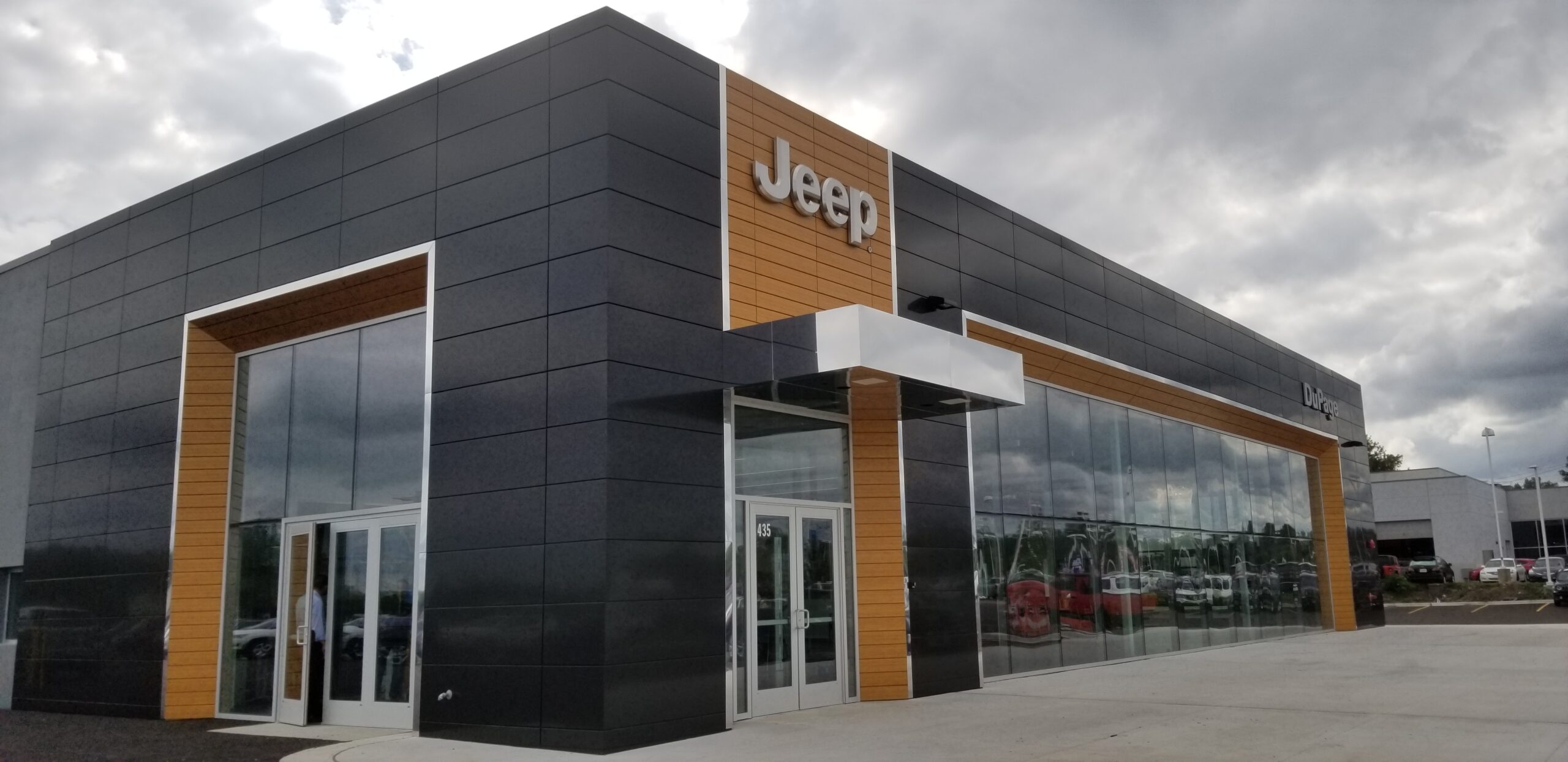
Retail façades demand quick installation, durability, and adaptability to branding. Metal delivers flexibility and speed, while masonry grounds the structure visually and physically.
Healthcare and Transportation Facilities
Hospitals, clinics, and airports demand durable, low-maintenance façades that project reliability. Masonry handles impact zones; metal handles precision detailing and design expression.
5. Cost and Lifecycle Considerations
Balancing First Cost and Longevity
Masonry requires more labor but lasts decades with little maintenance. Metal systems may cost more upfront in material but save time in installation. The ideal façade blends both for a balanced cost-performance profile.
Installation Efficiency
Metal systems, prefabricated off-site, speed up installation and reduce weather delays. Masonry adds craftsmanship and tactile quality but requires more on-site labor. Proper sequencing—masonry first, then metal—optimizes workflow.
Maintenance and Durability
Both systems are long-lasting. Masonry may require repointing after decades; high-quality metal coatings can exceed 30 years of service with minimal care. Pairing them creates a low-maintenance, high-performance façade system.
Energy Efficiency and Envelope Performance
When designed as a ventilated rainscreen, metal façades improve insulation and manage moisture. Combined with masonry’s thermal mass, they create highly efficient envelopes that reduce HVAC demand.
6. Common Challenges and How to Overcome Them
Differential Movement
Metal expands faster than masonry. Address this with flexible joints, slip connections, and proper anchorage.
Sequencing and Coordination
Trade overlap can create conflicts. Early coordination between the masonry contractor, façade installer, and fabricator ensures smoother progress.
Water Management
The transition between materials is vulnerable to water infiltration. Use continuous flashing and ensure drainage paths are unobstructed.
Aesthetic Misalignment
If coursing and panel joints don’t align, the design appears disjointed. Early mock-ups and shop drawings prevent visual inconsistencies.
Budget Pressure
Combining systems can seem costlier upfront. But by limiting masonry to impact zones and using metal for the remainder, costs balance while maintaining design intent.
7. Best Practices for Fabricators and Contractors
Involve the Fabricator Early
Engage a specialist like Global Fabrication LLC during design development. Early input ensures that attachment systems, detailing, and panel dimensions integrate smoothly with masonry layouts.
Prototype and Mock-Up
Building a small-scale façade mock-up tests performance, tolerances, finishes, and joint alignment. It’s a simple way to identify problems before full installation.
Align Specifications
Each material must meet structural, fire, and weather requirements. Confirm that metal cores, coatings, and anchors comply with local building codes.
Focus on Quality Assurance
Check rail alignment, sealant application, and anchor torque values. Proper field inspection ensures long-term integrity and appearance.
Plan for Maintenance
Design access for cleaning and future maintenance. Use durable finishes and corrosion-resistant materials, particularly in coastal environments like those on the Gulf Coast.
8. Global Fabrication LLC’s Approach
At Global Fabrication LLC, we understand that great façades require precision at every stage—from engineering to fabrication to installation. Our expertise includes:
- Custom ACM, sheet metal, and brake metal fabrication tailored to project requirements.
- Close coordination with masonry and general contractors to ensure seamless transitions.
- Engineering support for substructure design, movement joints, and moisture control.
- Quality craftsmanship backed by advanced machinery and experienced fabricators.
- Commitment to performance, using durable coatings and sustainable materials.
Our mission is to deliver façades that combine visual impact with proven functionality—no compromises.
9. Looking Ahead: The Future of Mixed-Material Façades
The evolution of façade technology continues to push creativity and performance. Here’s what’s on the horizon:
- Prefabricated façade modules combining masonry and metal panels in factory-controlled environments.
- Curved and folded geometries achievable through precision metal fabrication.
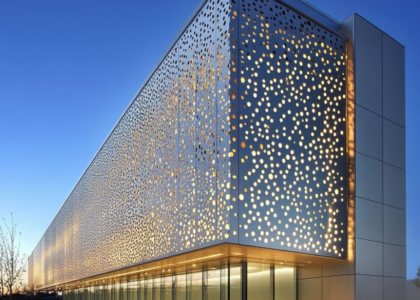
- Integrated lighting and branding directly within metal surfaces.
- Ventilated hybrid systems blending masonry’s thermal benefits with metal’s lightweight performance.
- Sustainability focus through recycled metals, low-VOC coatings, and locally sourced masonry.
Global Fabrication is prepared for this next chapter—combining craftsmanship, engineering, and technology to redefine how façades perform and inspire.
Conclusion
Blending masonry with modern metal façade systems isn’t just about aesthetics—it’s about building smarter. The contrast between permanence and precision, texture and sleekness, old and new, tells a powerful architectural story.
When executed correctly, this combination elevates a building’s identity, improves performance, and enhances longevity. The key is thoughtful design, precise detailing, and expert fabrication.
At Global Fabrication LLC, we help architects, builders, and developers turn that vision into reality—through precision-engineered ACM, sheet metal, and brake-metal solutions that complement and complete masonry architecture.
Ready to Elevate Your Next Project?
Partner with Global Fabrication LLC to design and fabricate façade systems that stand the test of time.
📞 Contact our team today or visit www.gofabllc.com to start your next project with confidence.