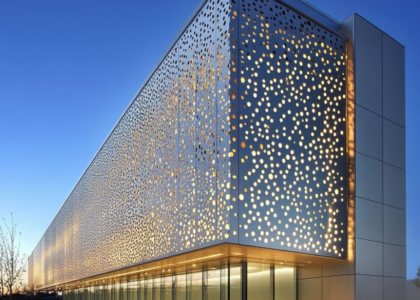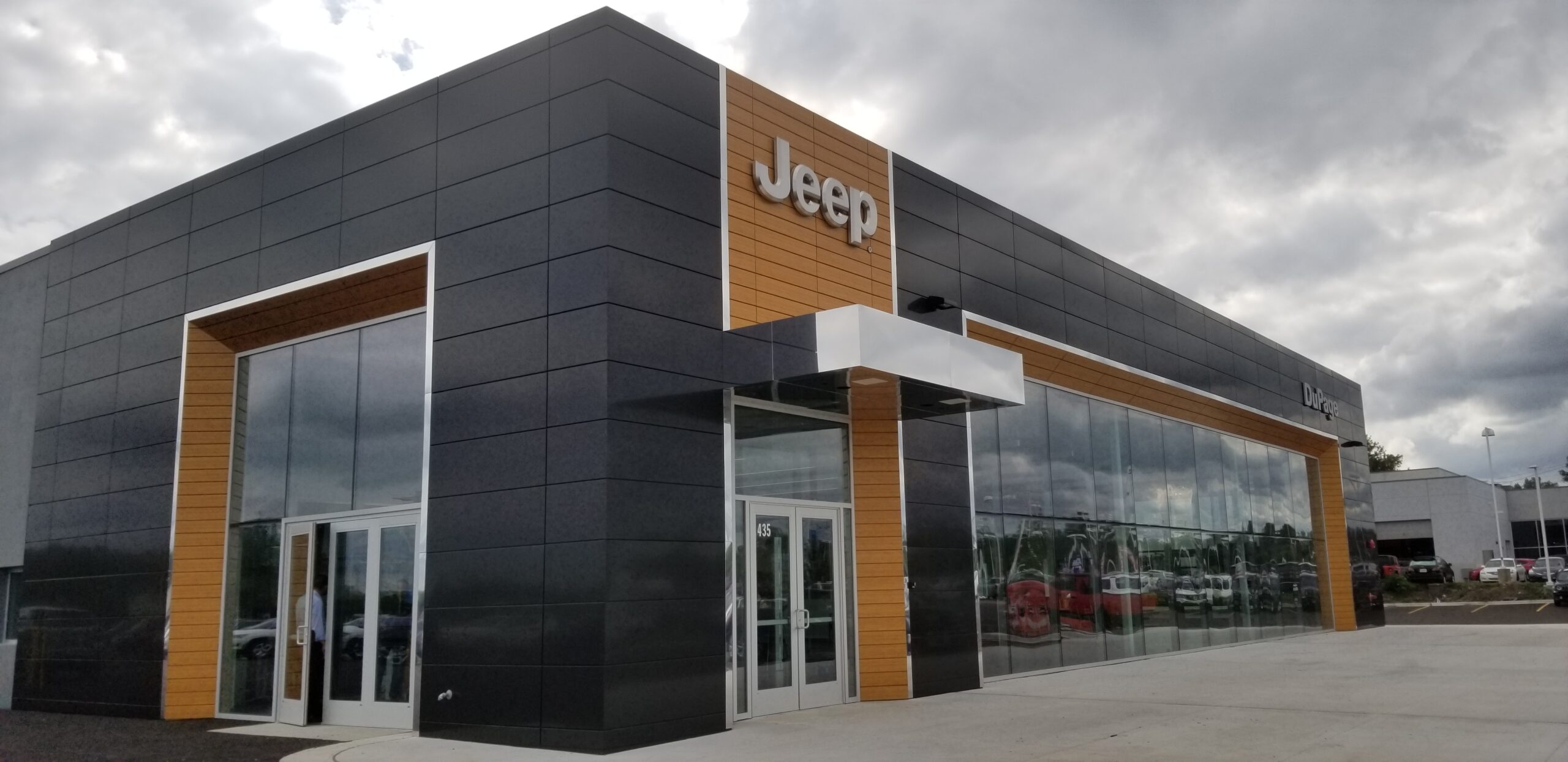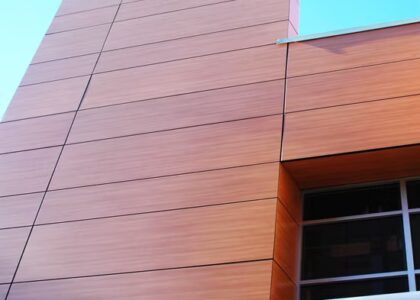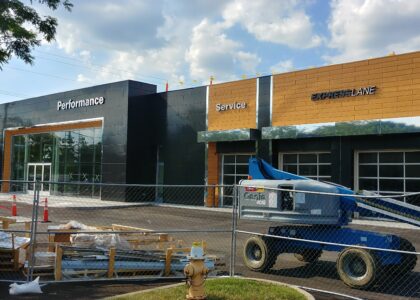

Introduction: The Invisible Revolution in Metal Construction
For decades, innovation in metal construction has been measured in visible outcomes—sleek façades, bold geometries, and high-performance building envelopes. Yet, some of the most transformative advancements today are not immediately visible. They lie beneath the surface, embedded in how materials are joined, assembled, and engineered to perform under real-world conditions.
Across the architectural and construction landscape, a quiet but powerful shift is taking place. Traditional mechanical fastening methods—screws, rivets, welds—are being complemented, and in some cases replaced, by advanced bonding systems, precision fabrication, and integrated assembly techniques. These innovations are not merely incremental improvements; they are fundamentally reshaping how buildings are designed, fabricated, and delivered.
At Global Fabrication, we are at the forefront of this transformation. Through our expertise in ACM systems, sheet metal fabrication, brake metal, and architectural cladding, we are not just adapting to industry evolution—we are actively driving it.
This article explores the convergence of material science, fabrication intelligence, and installation efficiency, and how these forces are redefining modern metal construction.
The Evolution of Metal Assembly: From Mechanical to Integrated Systems
Metal has always been synonymous with strength, durability, and precision. However, the way metal components are assembled has historically introduced limitations—thermal bridging, corrosion points, labor inefficiencies, and aesthetic compromises.
Today, that paradigm is changing.
Modern bonding technologies and fabrication methods are enabling continuous, flexible connections that distribute stress more evenly, reduce material fatigue, and eliminate many of the vulnerabilities associated with traditional fastening systems. These advanced systems can absorb vibration, accommodate thermal movement, and provide cleaner, uninterrupted surfaces.
This evolution is particularly significant in architectural applications where both performance and aesthetics are non-negotiable. Whether it’s a high-end commercial façade or a large-scale industrial facility, the ability to create seamless, high-performance assemblies is becoming a defining factor in project success.
At Global Fabrication, this shift aligns perfectly with our approach: precision-driven fabrication combined with forward-thinking installation methodologies.
Engineering for Movement: The Reality of Metal in the Built Environment
One of the most underestimated challenges in metal construction is movement.
Metal expands and contracts with temperature fluctuations. It reacts to wind loads, vibration, and environmental exposure. Over time, these forces can compromise joints, weaken connections, and lead to system failures if not properly addressed.
Modern fabrication and bonding solutions are designed with this reality in mind. Instead of resisting movement, they accommodate it.
This is a critical distinction.
Rather than relying solely on rigid fastening points, advanced systems create continuous bonds that flex with the material. This flexibility reduces stress concentrations and extends the lifespan of the assembly. It also minimizes maintenance requirements—a key consideration for building owners and developers.
Global Fabrication integrates this philosophy into every project. From custom brake metal components to large-scale cladding systems, our fabrication processes are engineered to anticipate and adapt to real-world conditions.
Precision Fabrication: Where Innovation Meets Execution
Innovation in metal construction is not just about materials—it’s about execution.
The rise of digital fabrication, CNC machining, and advanced forming techniques has elevated the level of precision achievable in modern construction. Today, components can be fabricated with tolerances measured in fractions of a millimeter, ensuring perfect alignment during installation.
This precision has a cascading effect:
- Faster installation timelines
- Reduced field modifications
- Lower labor costs
- Improved overall system performance
In addition, prefabrication is playing an increasingly important role. Pre-engineered metal systems can be manufactured off-site and assembled rapidly on location, significantly reducing construction time and exposure to environmental variables.
At Global Fabrication, we leverage these capabilities to deliver turnkey solutions that combine speed, accuracy, and reliability. Our clients benefit from streamlined project timelines without compromising on quality.
The Rise of Seamless Aesthetics in Modern Architecture
Architectural design has evolved dramatically in recent years. Today’s buildings are not just functional—they are statements of identity, innovation, and brand.
Metal plays a central role in this evolution.
Its ability to reflect light, create texture, and achieve clean, modern lines makes it one of the most versatile materials in contemporary design.
However, achieving these aesthetics requires more than just material selection. It demands advanced fabrication techniques and sophisticated assembly methods that eliminate visible fasteners, reduce panel distortion, and maintain visual consistency across large surfaces.
This is where integrated bonding and precision fabrication truly shine.
By minimizing or eliminating exposed fasteners, these systems allow architects to achieve uninterrupted surfaces and bold design expressions. The result is a cleaner, more refined aesthetic that aligns with modern architectural trends.
Global Fabrication specializes in delivering these high-end finishes, ensuring that every project meets the highest standards of design and execution.
Performance Under Pressure: Durability in Extreme Conditions
Metal buildings are constantly exposed to harsh environmental conditions—heat, cold, moisture, UV radiation, and mechanical stress.
These factors can degrade materials and compromise performance over time if not properly addressed.
Advanced bonding systems and high-performance fabrication techniques are specifically engineered to withstand these challenges. They provide:
- Enhanced resistance to corrosion
- Improved sealing against moisture intrusion
- Greater tolerance to temperature fluctuations
- Long-term structural integrity
In high-performance building envelopes, these advantages are critical. They not only protect the structure but also contribute to energy efficiency and occupant comfort.
Global Fabrication prioritizes durability in every project. Our systems are designed to perform in real-world conditions, ensuring long-term value for our clients.
Sustainability and Efficiency: Building for the Future
Sustainability is no longer a trend—it is a requirement.
The construction industry is under increasing pressure to reduce waste, improve energy efficiency, and adopt environmentally responsible practices. Metal construction is uniquely positioned to meet these demands.
Metal is inherently recyclable, durable, and adaptable. When combined with advanced fabrication and assembly techniques, it becomes an even more sustainable solution.
For example:
- Precision fabrication reduces material waste
- Prefabrication minimizes on-site inefficiencies
- High-performance assemblies improve energy efficiency
- Durable systems reduce lifecycle costs
Additionally, modern metal systems are increasingly designed to support energy modeling and high-performance building standards, further enhancing their sustainability credentials.
At Global Fabrication, sustainability is integrated into our process. From material selection to fabrication and installation, we are committed to delivering solutions that meet the demands of today while preparing for the challenges of tomorrow.
Fabrication Intelligence: The Role of Technology in Modern Construction
Technology is transforming every aspect of the construction industry, and metal fabrication is no exception.
From 3D modeling and digital twins to automated production systems, technology is enabling a new level of coordination and efficiency. Projects are now designed, tested, and optimized in virtual environments before a single piece of metal is cut.
This approach offers significant advantages:
- Improved accuracy and reduced errors
- Enhanced collaboration between stakeholders
- Faster decision-making and problem resolution
- Greater predictability in project outcomes
Advanced manufacturing techniques, including additive processes, are also expanding the possibilities of metal construction, allowing for more complex and optimized designs.
Global Fabrication embraces these technologies to deliver smarter, more efficient solutions for our clients.
The Human Element: Expertise Still Matters
While technology and innovation are driving the industry forward, one factor remains constant: expertise.
The success of any metal construction project depends on the knowledge, skill, and experience of the people behind it.
Understanding material behavior, fabrication techniques, and installation challenges requires years of hands-on experience. It also requires a commitment to continuous learning and adaptation.
At Global Fabrication, our team brings decades of combined experience in metal fabrication and construction. We work closely with architects, developers, and contractors to ensure that every project is executed to the highest standard.
Because in the end, innovation is only as effective as its implementation.
Case Applications: Where Innovation Meets Real-World Performance
The true value of advanced fabrication and bonding systems becomes evident in real-world applications.
Commercial Projects
Large-scale commercial buildings demand speed, efficiency, and visual impact. Advanced fabrication and assembly techniques enable rapid installation while delivering high-end finishes.
Industrial Facilities
Durability and performance are critical in industrial environments. High-performance metal systems provide the strength and resilience required to withstand demanding conditions.
Residential Developments
Modern residential projects increasingly incorporate metal elements for both aesthetic and functional purposes. Precision fabrication ensures consistency and quality across every detail.
In each of these applications, Global Fabrication delivers solutions tailored to the specific needs of the project.
The Future of Metal Construction: What Comes Next?
The trajectory of the industry is clear: greater integration, higher performance, and increased efficiency.
As materials continue to evolve and technology advances, we can expect to see:
- More widespread adoption of integrated bonding systems
- Increased use of prefabrication and modular construction
- Greater emphasis on sustainability and lifecycle performance
- Continued innovation in fabrication techniques and materials
Metal will remain at the center of this evolution, not just as a material, but as a platform for innovation.
Conclusion: Building Smarter with Global Fabrication
The future of construction is not just about building faster or cheaper—it’s about building smarter.
It’s about understanding how materials behave, how systems interact, and how innovation can be applied to deliver better outcomes.
At Global Fabrication, we are committed to leading this transformation. Through precision fabrication, advanced assembly techniques, and a relentless focus on quality, we help our clients bring their vision to life—efficiently, reliably, and beautifully.
Request a Quote Today!
If you’re planning your next project and want to work with a partner who understands the future of metal construction, Global Fabrication is ready to deliver.
From ACM panels and custom sheet metal to complete cladding systems, we provide the expertise and execution your project demands.
Get your quote today by emailing garey@gofabllc.com or call us at (228) 282-5575 to discuss your next project and discover how we can help you build smarter, faster, and better.